
Unveiling 3CoinGoldenOX: A New Era in Digital Gaming
Dive into the captivating world of 3CoinGoldenOX, a game inspired by cultural symbolism and modern innovation, linked with 'ph win' strategies that are making waves globally.


The game BigBoss offers players a unique blend of strategy, resource management, and real-world influence. Set in a dynamic and ever-changing environment, players assume the role of a powerful executive tasked with making critical decisions that impact their company's growth and success. The game has garnered attention for its intricate gameplay mechanics and the ability to adapt real-world events into its narrative, making each playthrough a unique experience.
In BigBoss, players are thrown into the competitive world of corporate leadership. The game is structured around building your corporate empire from scratch, requiring you to make strategic decisions that encompass financial management, human resources, and market expansion. Your journey begins with limited resources and a small team, and your objective is to scale your business operations to become the industry leader, or the big boss of the corporate world.
The game's appeal lies in its dynamic environment, where players must navigate unexpected events such as economic downturns, geopolitical tensions, or technological disruptions. These events mirror real-world scenarios, challenging players to think critically and adapt quickly. The game’s AI ensures that no two games are the same, making replayability a strong aspect.
To start a game of BigBoss, players choose from different industries such as technology, finance, or manufacturing. Each industry requires a distinct strategy to manage resources, production, and market demand. Players begin with a basic headquarters and must expand their infrastructure to succeed.
The game progresses in a turn-based manner where each turn represents a fiscal quarter. Within a turn, players must manage their financials, make expansion plans, and address any operational challenges. A critical component is maintaining shareholder trust while pursuing aggressive market strategies.
A popular strategy among players revolves around maximizing the phrase "ph win", which stands for "profit harvesting win." This tactic focuses on short-term profit maximization at potential long-term expenses. It's a high-risk, high-reward strategy that can rapidly increase financial resources, allowing players to invest aggressively in development and acquisitions. However, it requires keen market acumen and precise timing to balance the immediate gains with future risks.
Implementing the "ph win" strategy often involves dynamic pricing models, aggressive marketing campaigns, and rapid scaling. Players who employ this strategy must be adept at predicting market trends and consumer behavior, making it best suited for seasoned strategists. The strategy has become a buzz term among the gaming community, spurring discussions and strategy forums dedicated to mastering its intricacies.
BigBoss reflects current events and challenges within the business world, including the impact of global pandemics, trade wars, and technological booms. Its real-world parallels have led to educational discussions around strategic management and business ethics, as scholars and analysts draw comparisons between in-game decisions and historical business outcomes.
The incorporation of these elements in the game highlights the importance of being an adaptable leader in a rapidly changing world, providing players with a virtual safe space to experiment with innovative solutions and business models.
In light of recent global events, BigBoss has integrated scenarios mimicking supply chain disruptions and digital transformation, offering players a platform to explore how such challenges can be navigated effectively. The game's developers continue to update these scenarios, reflecting the fluid nature of global business affairs.
Whether you are a business enthusiast seeking to test your strategic acumen or a casual player looking for an engaging challenge, BigBoss presents a compelling world where your decisions shape the fate of your corporate empire. Navigate the complexities of modern business, build an influential brand, and strategize your way to becoming the ultimate big boss.

If you're looking for a reliable, fully licensed, and secure sportsbook with a wide selection of games, ph win is the perfect choice. We're committed to providing you with the best online betting experience, with premium quality, excellent service, and continuous innovation. Sign up now and receive ₱777 for free!
Join now
Get the latest information, experience and betting strategies from the expert team at ph win.
Dive into the captivating world of 3CoinGoldenOX, a game inspired by cultural symbolism and modern innovation, linked with 'ph win' strategies that are making waves globally.

Discover the thrills of JungleParty, a game that combines adventure with strategic thrills. Explore its captivating world, gameplay, and key elements that make it a must-play.

Explore the thrilling world of BanditBustBonusBuy, a new slot game offering immersive gameplay and exciting features set against real-world events.
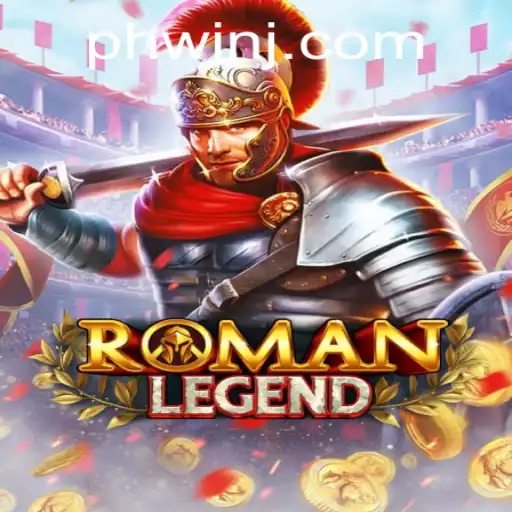
Dive into the captivating world of RomanLegend, a strategic game where players immerse themselves in Roman civilization. Learn about the game's unique elements and rules, and discover how you can secure a 'ph win'.

Explore the captivating world of WildThirst, a new adventure game, with this comprehensive look into its features, introduction, and gameplay rules.

Uncover the enchanting universe of SuperPinkJoker, a game combining colorful gameplay with strategic depth, and learn how to secure a PH win.
 Join now